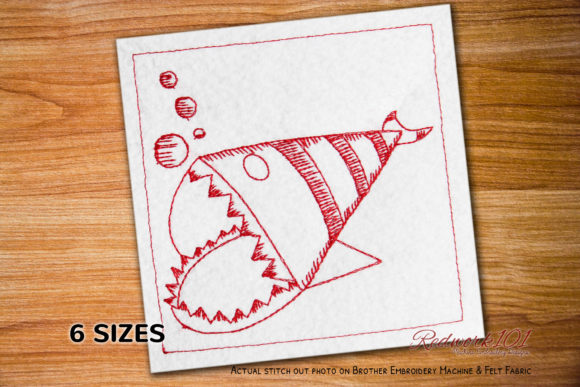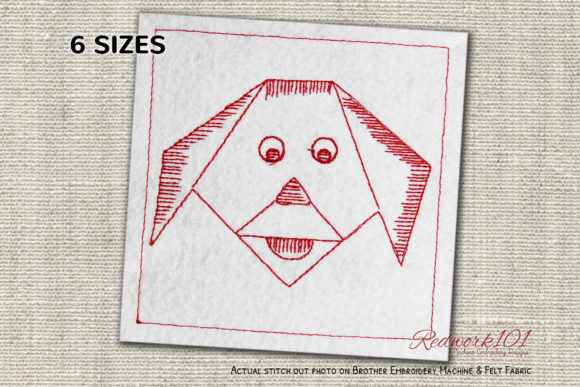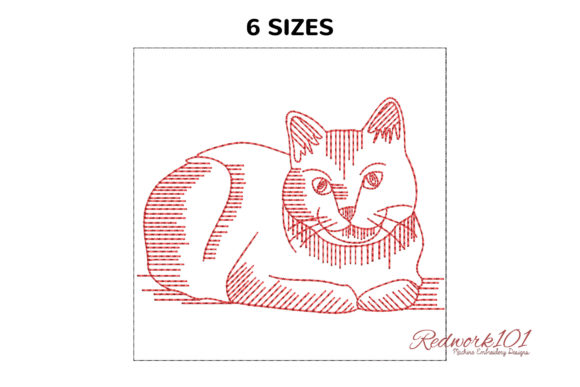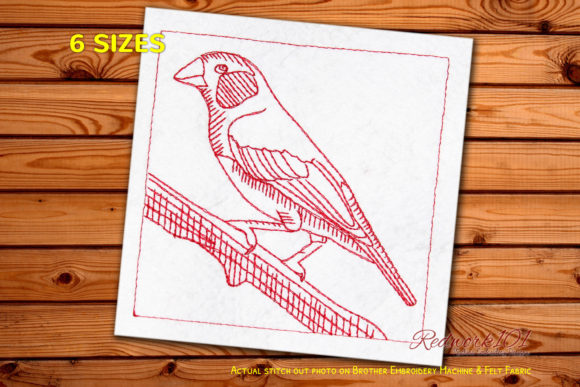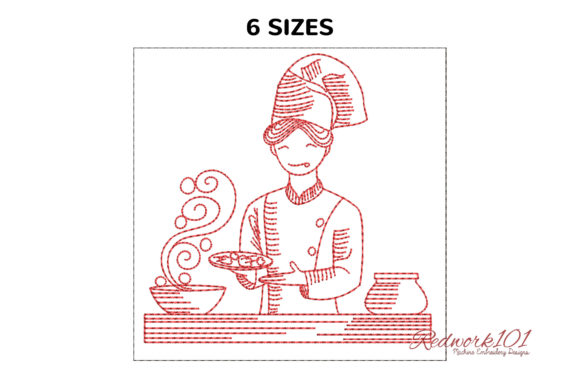
Chef is Ready to Serve Food Redwork
First Impressions: A Professional and Friendly Design
When I first saw the Chef is Ready to Serve Food Redwork, it immediately struck me as a design that balances professionalism with a friendly, welcoming vibe. The redwork style, characterized by its single-color embroidery, gives it a classic, timeless feel that can appeal to a wide range of small businesses, especially those in the food and hospitality sectors.
Business Use: Versatile and Eye-Catching
The Chef is Ready to Serve Food Redwork is an excellent choice for various business applications. Here’s how it can be used effectively:
- Embroidered Patches: Perfect for staff uniforms, these patches can add a professional touch to aprons, work shirts, and caps. They also make great promotional items or customer gifts.
- Staff Uniforms: Embroider this design on the chest or sleeve of staff uniforms to create a cohesive and recognizable brand identity. It works well on both light and dark fabrics, provided the thread color has good contrast.
- Tote Bags and Aprons: This design can elevate the look of tote bags and aprons, making them more appealing to customers and enhancing the overall aesthetic of your merchandise.
- Product Packaging Accents: Use it as a subtle but impactful accent on product packaging, such as boxes, bags, or labels, to reinforce your brand and add a touch of elegance.
Practical Considerations: Where to Use Carefully
While the Chef is Ready to Serve Food Redwork is versatile, there are some areas where you should use it with caution:
- Small Patch Sizes: Ensure the design scales well to smaller sizes without losing detail. Test it at the intended size to confirm it looks crisp and clear.
- Cap Fronts and Curved Surfaces: The design may need adjustments to fit curved surfaces like cap fronts. Test it on a sample cap to ensure it sits well and maintains its shape.
- Tiny Lettering and High Stitch Density: If the design includes text, make sure it is legible even at smaller sizes. High stitch density can also affect the appearance on certain fabrics, so test it on the actual material you plan to use.
- Textured Fabric and Dark Uniforms: The design may not stand out as well on highly textured or dark fabrics. Choose a thread color that provides good contrast and visibility.
- Frequent Washing: For items that will be washed frequently, like aprons and uniforms, ensure the design holds up well over time. Use a high-quality stabilizer and proper embroidery techniques to maintain the integrity of the design.
- Test in Black and White First: Before finalizing the design, test it in black and white to check for any issues with detail and clarity.
- Check Small Patch Size: Ensure the design scales well to smaller sizes without losing detail. This is crucial for patches and other small-format applications.
- Review Thread Color Contrast: Choose thread colors that provide good contrast against the fabric. This is especially important for dark or highly textured materials.
- Inspect Spacing and Alignment: Pay close attention to the spacing and alignment of the design, especially if it includes text or intricate details.
- Confirm Hoop Size: Make sure the design fits within the hoop size you plan to use. Adjust the design if necessary to avoid distortion.
- Test on Real Fabric: Always test the design on the actual fabric you plan to use. This will help you identify any issues with stitch density, fabric texture, or color contrast.
- Use Proper Stabilizer: Choose the right stabilizer for the fabric and design. This will help maintain the design's integrity and prevent puckering or distortion.
- Create a Mockup for Client Approval: Before starting production, create a printable mockup to show the client. This ensures they are happy with the design and placement before you proceed.
- Compare with Other Design Assets: Review the design alongside other branding elements to ensure visual consistency and coherence.
- Confirm Commercial Licensing: Before using the design for commercial purposes, make sure you have the appropriate licensing rights. Check the terms and conditions of the embroidery file to avoid any legal issues.
Brand Identity and Customer Trust
The Chef is Ready to Serve Food Redwork can significantly enhance your brand identity and build customer trust. Its professional yet approachable design can make a strong impression on customers, indicating a commitment to quality and service. Consistent use of this design across different merchandise and branding elements, such as embroidered patches, aprons, and tote bags, can help create a cohesive and memorable brand image.
Embroidery Designer Notes
Here are some practical tips for using the Chef is Ready to Serve Food Redwork in your embroidery projects:
By following these guidelines, you can effectively use the Chef is Ready to Serve Food Redwork to create high-quality, visually appealing, and professional-looking branded merchandise for your small business.