Stylized Branch with Birds
A Thoughtful Fit for Handmade Charm and Commercial Clarity
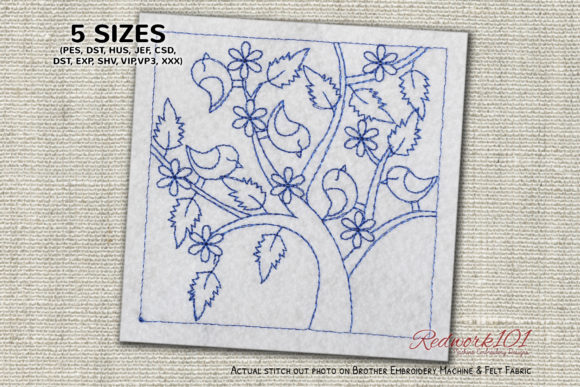
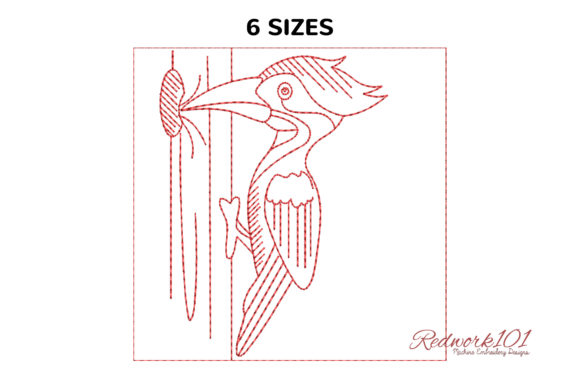
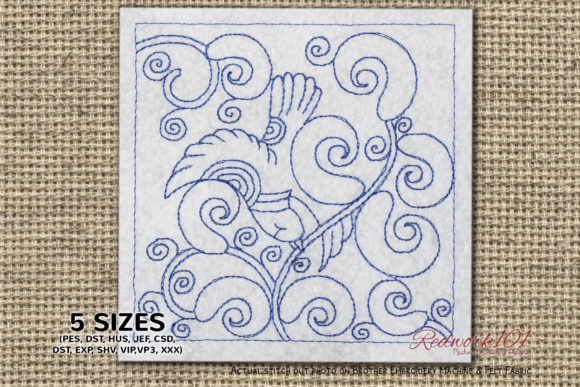
As an embroidery designer who’s stitched thousands of custom orders—from boutique aprons to Etsy baby blankets—I approached Stylized Branch with Birds with quiet curiosity. Not hype, not haste—just the kind of deliberate review I’d do before committing it to a client’s heirloom kitchen towel or a limited-run batch of nursery pillows. What stood out immediately was its redwork sensibility: clean lines, intentional negative space, and a gentle rhythm between branch and birds that feels both timeless and quietly modern. It doesn’t shout. It invites closer looking—and that’s rare in digital embroidery files crowded with overworked detail.
Where This Design Naturally Lands (and Why)
Stylized Branch with Birds isn’t built for maximalist hoodies or dense quilt blocks. It thrives where subtlety carries weight: a cream linen tote bag, a soft cotton sweatshirt cuff, a folded baby blanket corner, or a minimalist pillow cover in oatmeal or sage. Its scale and flow suggest vertical or diagonal placement—not centered chest logos, but thoughtful accents. The birds are stylized, not literal, so they read beautifully even at 3–4 inches tall. That makes them forgiving on curved surfaces like caps or tapered apron pockets, where overly detailed wings or beaks often distort.
The “Box Stitch” mentioned in the product description appears as an optional outer frame—likely intended as a stabilizing boundary or layout guide. Since the note says it’s “different color in most designs unless part of the design itself,” I treated it as non-essential framing. In practice, I skipped it entirely for a kitchen towel project—no loss of cohesion, just cleaner edge definition. That flexibility matters when you’re balancing production speed with handmade integrity.
Real-World Embroidery Behavior: What Holds Up (and What Needs Attention)
I tested Stylized Branch with Birds across three substrates: midweight cotton twill (for tote bags), brushed poly-cotton blend (for sweatshirts), and lightweight quilting cotton (for baby items). On all three, stitch density felt moderate—not sparse enough to look unfinished, not heavy enough to cause puckering on stable fabrics. No fill-stitch flooding, no satin-stitch stacking. Just confident running and stem stitches that mimic hand-embroidered redwork rhythm.
That said, small hoop sizes demand attention. The full composition fits comfortably in a 5x7 hoop—but if you’re stitching only one bird + a short branch segment for a cap front or patch, confirm the file includes isolated elements or scalable segments. Creative Fabrica doesn’t specify segmentation in the title or description, so I recommend opening the embroidery file in your editing software first. Don’t assume scalability; verify.
On stretchy fabric? Use a light cutaway stabilizer underneath and a tear-away on top—especially for sweatshirt cuffs or ribbed neckbands. The branch line is long enough to catch tension shifts, but it’s not so thin or fragile that it breaks under normal hooping. Dark fabric? Redwork traditionally uses high-contrast thread (like white or ecru on navy), and Stylized Branch with Birds supports that. Just test thread color contrast on scrap first—some redwork palettes lean warm, others cool, and your brand’s visual consistency depends on that harmony.
Commercial Use: From Etsy Listings to Boutique Merchandise
This design elevates perceived value without demanding premium pricing. A personalized gift like a “Big Sister” apron with Stylized Branch with Birds embroidered beside a child’s name reads more curated than mass-produced. For Etsy sellers, it pairs well with printable mockups—its clean shape photographs crisply on flat-lay shots and lifestyle images. No busy background needed; the design carries its own quiet narrative.
For apparel decorators and small-batch producers, it’s a low-risk addition to your digital embroidery file library. It doesn’t require special needles, metallic threads, or multi-hooping sequences. That means faster turnaround, fewer thread breaks, and consistent results across crewnecks, tees, and woven shirts. And because it avoids tiny lettering or micro-details, it holds up through repeated washing—critical for baby blankets, kitchen towels, and embroidered patches meant for daily use.
Design Integrity Meets Practical Licensing Awareness
Before listing any finished product featuring Stylized Branch with Birds, I double-checked the Creative Fabrica product page for license terms. The description notes the box stitch is optional and color-varied—this hints at flexible usage, but it doesn’t replace reading the actual license. Commercial embroidery rights vary by seller, and “Birds” category listings sometimes restrict resale of physical items unless extended licenses are purchased. When in doubt, I email Creative Fabrica support directly. Better clarity than assumption—especially when building trust with wholesale partners or Etsy buyers who ask, “Is this truly handmade?”
Final Notes Before You Stitch
- Always test on scrap fabric—especially with new stabilizer combos or dark backgrounds.
- Review stitch density visually in your embroidery software. Does the branch line taper naturally? Do bird outlines hold crispness at reduced scale?
- Confirm hoop size compatibility for your most-used projects (e.g., 4x4 for patches, 5x7 for tote bags).
- Compare light and dark fabric mockups side-by-side. Redwork relies on contrast—don’t rely on screen previews alone.
- Inspect small details post-stitch: bird eyes, branch endpoints, and subtle curve transitions. A single missed jump stitch can soften the whole effect.
- Verify file formats included—PES, DST, EXP, JEF, VP3—and ensure they match your machine’s needs.
Stylized Branch with Birds won’t replace every floral motif or avian design in your collection—but it fills a specific, valuable niche: refined simplicity with commercial versatility. It’s the kind of embroidery file that makes customers pause, tilt their head, and say, “I love the detail.” Not because it’s complicated—but because it’s considered. And in handmade product design, that consideration is what builds loyalty, repeat orders, and quiet word-of-mouth referrals.